Appalachian Poetry For People Who Don’t Usually Read Poetry
⚓ Books 📅 2025-12-17 👤 surdeus 👁️ 15

Several years ago, I quit saying, “I just don’t get poetry,” and started reading it anyway. That was the best choice I could have made. I’m not a poet, nor do I have any particular great insight into poetry. I just enjoy it. Still, poetry can feel intimidating. That’s why I love collections like Silas House’s All These Ghosts. His poetry is complex, using different forms, but his themes of grief, homesickness, and Appalachian identity make the poems accessible for folks who don’t usually read poetry.
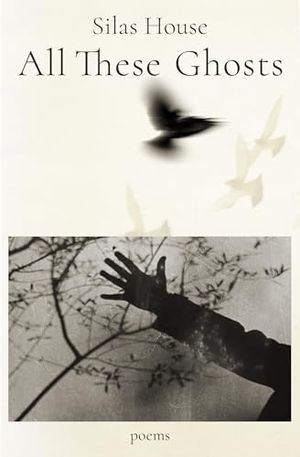 All These Ghosts: Poems by Silas HouseIn this debut collection from former Kentucky Poet Laureate Silas House, we view Kentucky through the lens of the past. House is the first openly gay poet laureate for the state and has long been vocal about the fact that LGBTQ+ folks have a place in Kentucky and broader Appalachia. Several years ago, he appeared in Hillbilly, a documentary about the 2016 election from the perspective of the progressive Appalachian people watching as their families voted for Trump. The documentary asks, How can you love a place that doesn’t love you back? This question haunts All These Ghosts, peeking through almost every poem. From the first few poems in the collection, the speaker yearns for a different time when they felt more at home in the family holler. In “Gloaming,” we see Kentucky as the light fades through the holler. “My people on their porches, living / in the cool of the day. They love this place / even when they don’t/ They have dreams / just like you. But no one ever thinks about that. / This is what it was like when I was a boy, / when the world was young and I believed / nothing would ever change. In the gloaming, / in the cool of the day, before I lost my people, / and before I lost my place in the sweet old world.” Throughout the collection, there’s a yearning for a time before politics changed the way that the speaker understood the place where he grew up. Poems about neighbors up the holler, cousins, and first loves show Kentucky at a different time. There are hints of grief to come, like in “Dale Hollow Lake, 1989”: “We were teenagers now, / as wild and free / as we ever would be, /ribbons on a breeze. / But this was before / marriage or babies / before presidents / made us choose between / each other and dreams / of what could be.” The echoes of grief come more into focus in the second half of the collection. In “For You Who Have Loved Old Dog,” House describes the sorrow of loving a dog through their life, past the very end when you have to say goodbye. He ends the poem with “The burden of my arms is the greatest weight.” With a line like that, it’s no surprise that I found myself inside my local coffee shop with tears streaming down my face. Grief is the cost of love, and the speakers of these poems are more than willing to pay it. Over and over again, the poems return to the longing for what once was and the fear of what is to come. How much more will the place I call home change? Will it continue to tell me that I don’t belong? In the final poem, “Sundays”: “The bells and birds compete to testify / a new morning while grief pins me again / to the bed. This Sunday shares a sacred / lonesome when all the world seems at peace, and / quiet. Witness this day a wide darkness, / as all Sundays are full of harm to small / beings . . . But there is not sabbath for dogs and other winged things, nor / those who find holiness in cedar trees / or a slant of light. O love, please protect us.” All These Ghosts is a balm as so many of us carry the weight of homesick sadness for a better time. We grasp at glimmers of hope, and keep fighting for the places we love, the places we will always call home. |
You can find me over on my substack Winchester Ave, over on Instagram @kdwinchester, or on my podcast Read Appalachia. As always, feel free to drop me a line at kendra.d.winchester@gmail.com. For even MORE bookish content, you can find my articles over on Book Riot.
🏷️ Books_feed