An Ode to Speech Bubbles in Comics
⚓ Books 📅 2025-11-14 👤 surdeus 👁️ 30

If you read comics, you’ve seen loads of speech bubbles before, but you probably never looked too hard. After all, their purpose is purely functional: to make it clear that someone has something to say and to identify who is doing the talking. But like everything else on the page, speech bubbles can provide much more information than that.
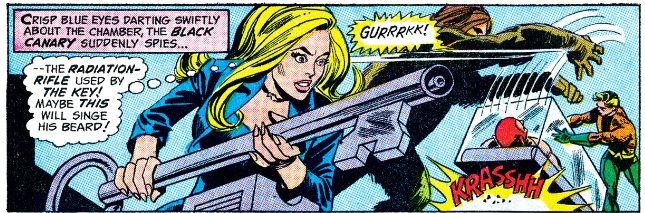
One of the most common ways to provide readers with fast information is by changing the shape of the bubble. A cloud shape denotes internal thoughts rather than dialogue, while spikes show that the words within are especially loud, angry, or surprised. Here’s an example of both from Justice League of America #104:
 |
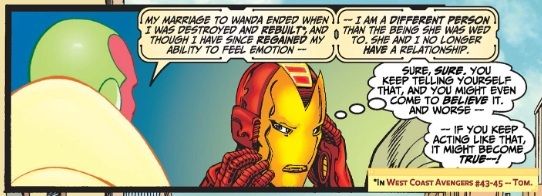
Speech bubbles may also be shaped differently when a machine or supernatural being is speaking, to further distinguish them from the “normal” characters. Check out this panel from Avengers #5. The bubble’s color and shape are unique to the Vision, a holographic projection of an android.
 |
The amazing thing is that speech bubbles manage to convey so much information without readers even realizing it. Most of us are so familiar with them, whether from comic books, comic strips, or illustrations in children’s books, that we don’t have to consciously think, “Oh, this speech bubble means the character is shouting,” or “This one means they’re annoyed.” It isn’t until the creators start getting a little fancy that readers will really look at them.
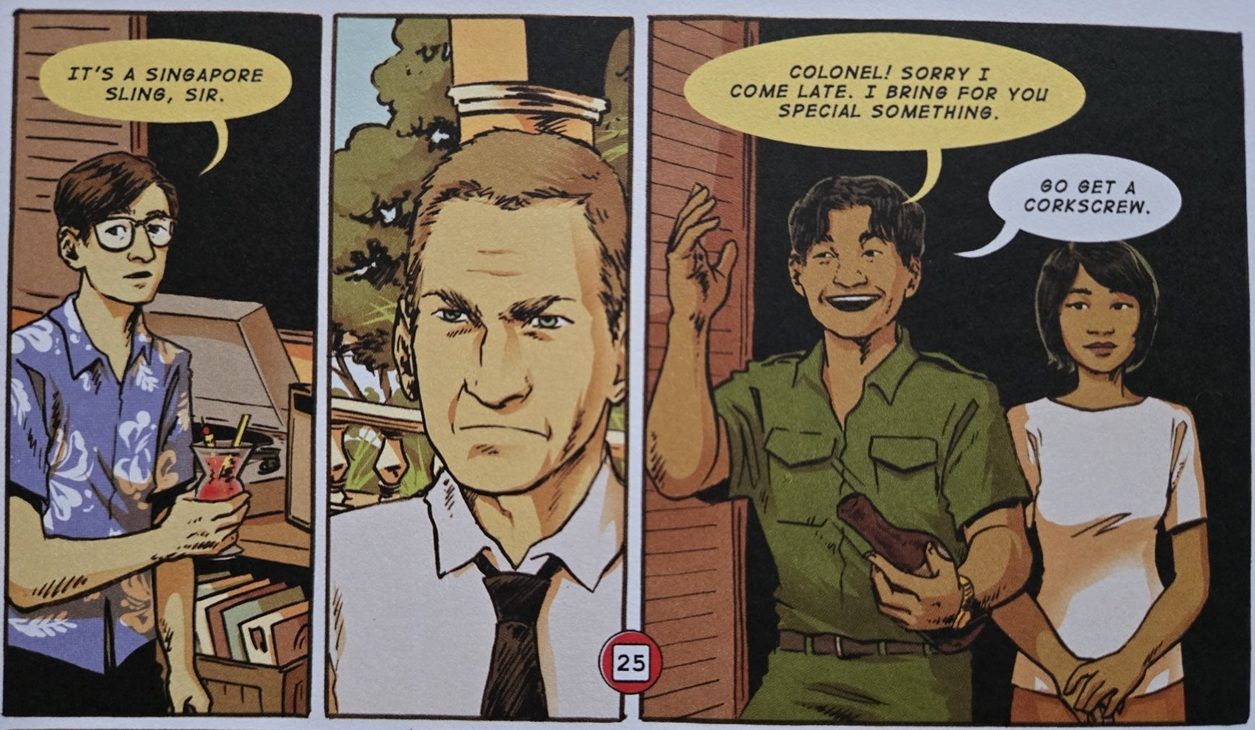
For example, in Cahill and Baumann’s The Golden Voice, the color of the bubbles seamlessly indicates the language the characters are speaking (Khmer is white, English is yellow) without interrupting the narrative to point out the shifts.
 |
Here’s another excellent example from a pivotal moment in McClaren and Bell’s Crumble. The main character is feeling small, so her bubble is as well. The tail is long and wobbly, representing how unsteady she feels. This leaves her surrounded by white space and her own grief.
 |
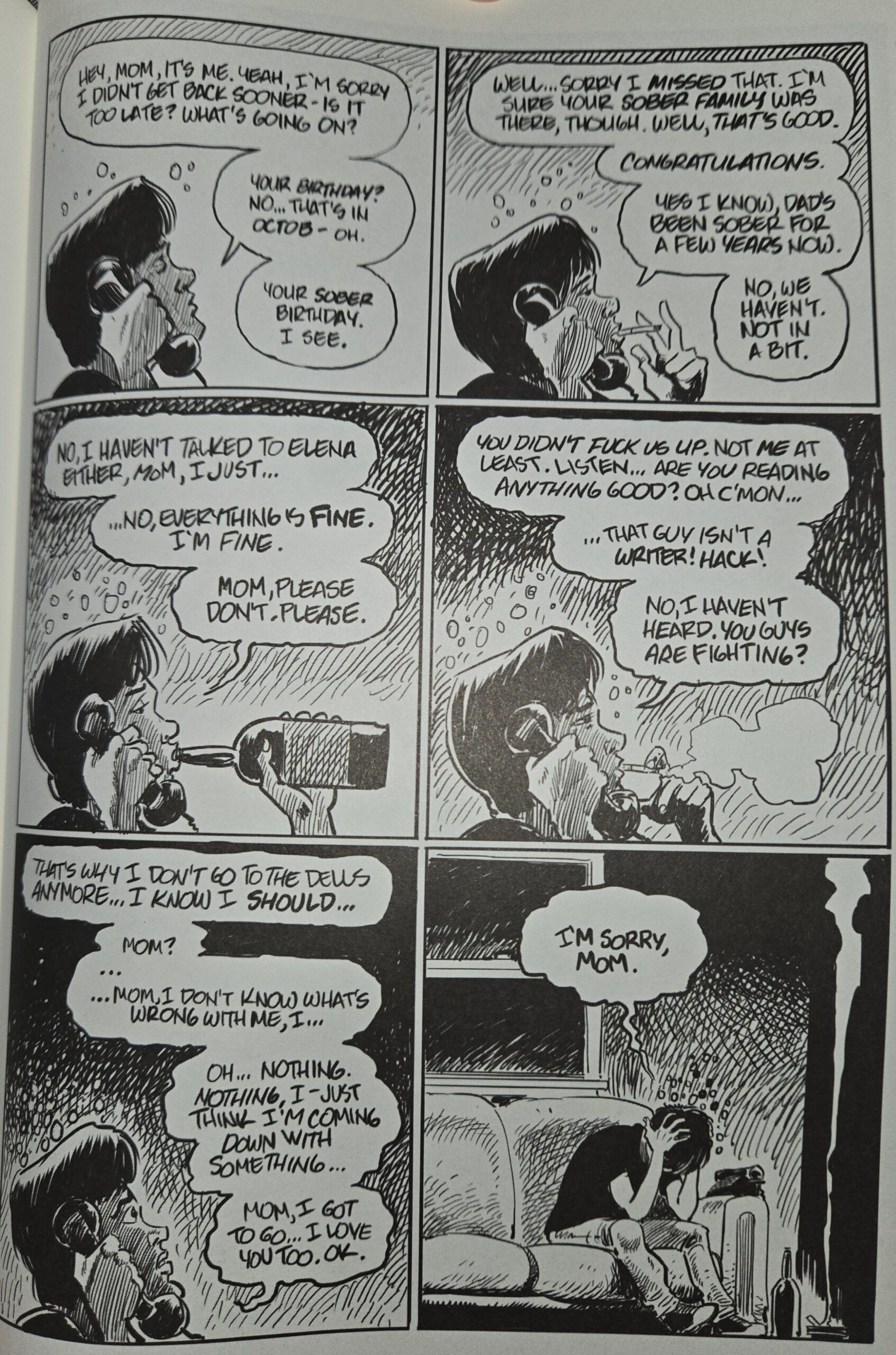
One of my favorite examples of creative speech bubble usage is from Jim Terry’s Come Home, Indio. Over the course of six panels, the bubbles, as well as the text and the background, deteriorate in tandem with the main character’s mental state.
 |
This is just a small sample of the many and varied ways that inventive creators can deliver a great deal of information with just a line and a splash of ink. So the next time you pick up a comic, take a moment to appreciate all that the humble speech bubble–from your standard round one to all its wild variations–has done to improve readability and the reading experience!
Spend even more time with the wonders of comics by checking out why the One Piece flag has been popping up at protests, how superhero comics have depicted Latin America, and considering the ways and hows of shelving comics.
🏷️ Books_feed