Low-Cost LPBF Leader Xact Metal Reports Order Growth is Up 30% Year to Year
⚓ p3d 📅 2026-01-21 👤 surdeus 👁️ 24

Xact Metal is the pioneer in low-cost LPBF. The US-based firm was the first to sell sub $100,000 LPBF machines. Through value engineering, gumption, and a focus on cost, the company built a market for itself. In dental, tooling, and industry, Xact made parts possible that were not doable before. Without the millions in upfront CapEx, smaller firms, smaller departments, and lower-cost business cases now make sense. Xact makes the additive market bigger. Reducing the initial investment also reduced risk, and not only to the company, but also to careers and departments. With lower CapEx and risks, more people can try additive and make it successful.
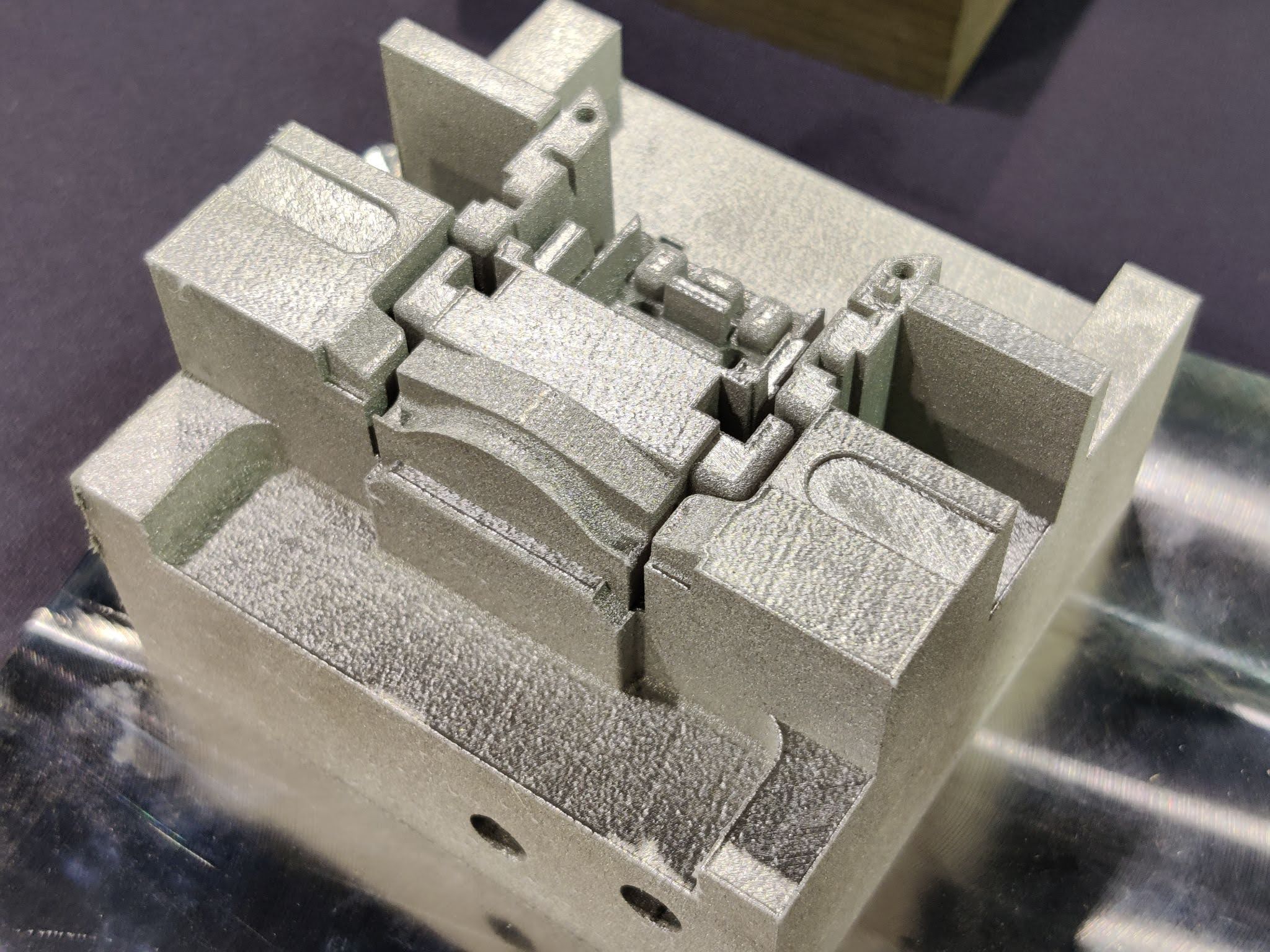
It’s nice to then hear that the firm itself is doing well also. Xact Metal reports that it has seen order growth increase by 30% year to year.
Xact Metal CEO Juan Mario Gomez stated,
“Our growth strategy and product roadmap to expand the use of metal additive manufacturing by offering a new level of price and performance continues to be welcomed by our customers. In 2025 orders were up by more than 30% when compared to last year. Our XM200G single- and double-laser metal printer is being well received in defense, plastic injection molding, medical and other manufacturing applications. Plus, we continue to receive positive responses to the launch of our XM200G μHD metal printer—which allows customers to print very small parts using 5-15 μm particle size metal powder and has a 25 μm laser spot size—and to the development of our XM300G mid-size four-laser printer.”
The most unique thing to unpack there is the use of 5-15 µm size powder by the XM200G μHD. This is another pioneering innovation by Xact. That sizing is the metal injection molding (MIM) powder that is used very broadly in that industry. MIM powders are low-cost, which in and of itself really reduces part costs. Additionally, with its laser spot size of 25 µm, and a chamber of 140x140x150 mm, the system can really make a difference. The XM200G μHD is single-laser, and can come with a 00, 200, or 400W laser. The μHD will make experimentation easier and cheaper, and will also enable more serial manufacturing. But, with the smaller powder, serial production for smaller parts also becomes more likely. The company sees opportunities in “micro applications like electronics, micro mechanics, antennas and waveguides, defense and medical devices.”
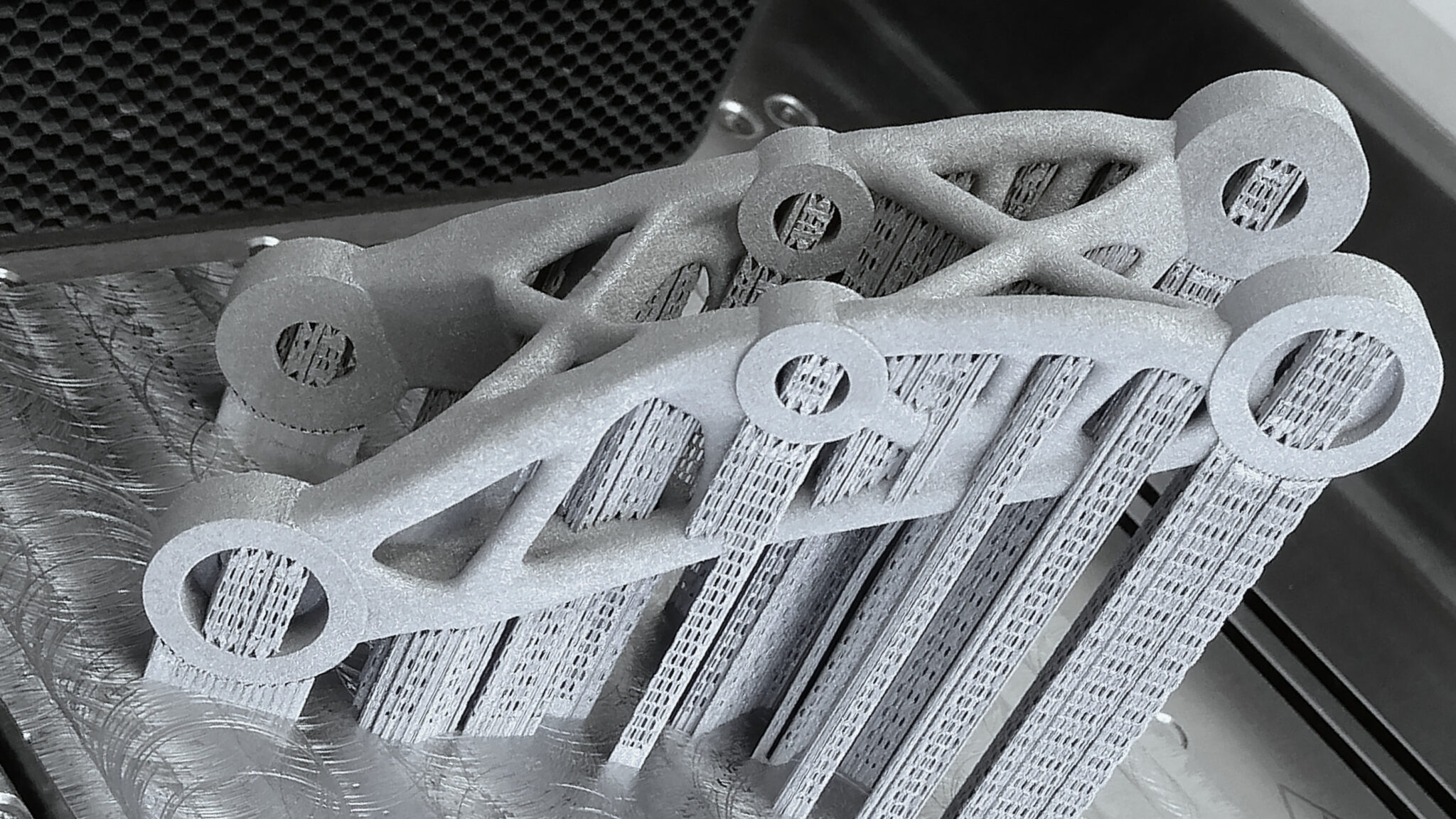
The company is also looking to boost its growth further through the appointment of Mark Barfoot as Vice President of Global Sales.
Gomez said,
“To further support our growth plans, we are pleased to announce that Mark Barfoot has been named Vice President – Global Sales. Mark brings over 25 years of experience in additive manufacturing. His roles have included VP of Engineering at Voxel Innovations; Director of Additive Manufacturing Programs at the Edison Welding Institute (EWI); Director of Business Development at Javelin Technologies; and Managing Director of Multi-Scale AdditiveManufacturing Lab at the University of Waterloo. In addition, for over 13 years, Mark has been actively involved with AMUG (Additive Manufacturing Users Group), where he served as its President for over two years.”
Barfoot could really make a difference here and drive future growth. Through being US-based and making US-made printers, Xact could just hope for some kind of defense windfall. It’s a logical partner for the military. But, the company is not just relying on where it’s from. Xact is innovating and really trying to do things differently. A small parts printer that could run on cheaper powders is a real example of innovation. And it’s lovely to hear that a firm that is innovating is doing well because of this.
🏷️ p3d_feed