DEVCOM Looks at 3D Printed Food Perceptions
⚓ p3d 📅 2026-02-09 👤 surdeus 👁️ 9

Researchers at the U.S. Army DEVCOM Soldier Center have looked at soldiers’ perceptions of 3D printed food. In an article published in the journal Future Foods, Jonathan Blutinger, Alan Wright, and Michael Okamoto say that, “ensuring acceptance of novel food technologies is nearly as vital as advancing the technology itself.” In the paper titled “It takes the identity out of the food”: Soldiers’ perceptions of 3D-printed food, the researchers worked with 17 soldiers in focus groups.
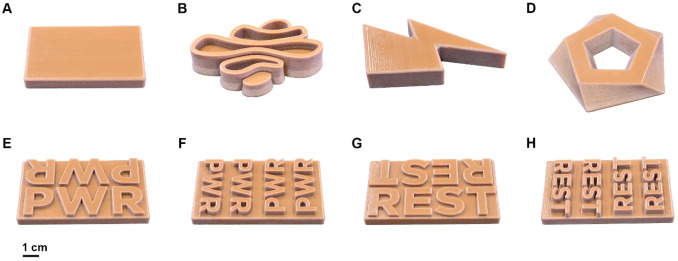
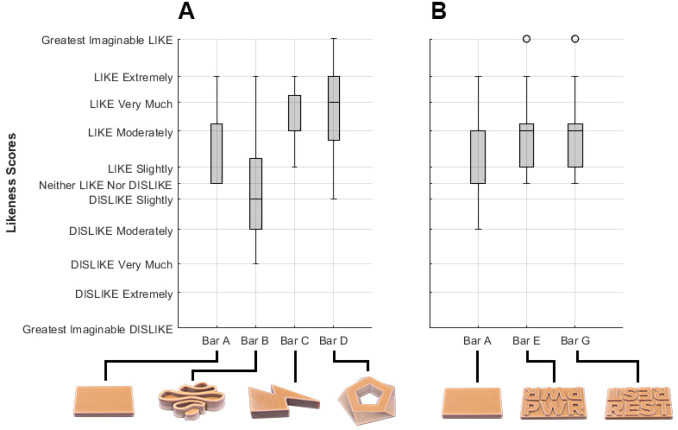
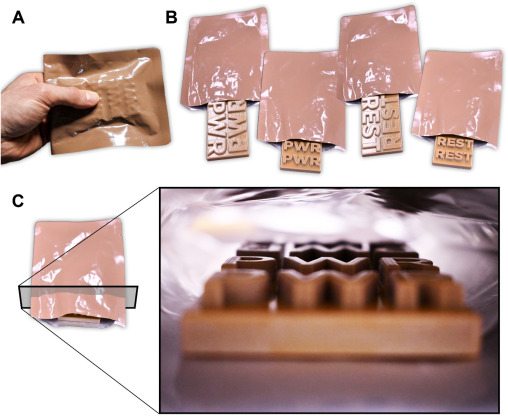
The central point is a very good one: the perception around 3D printed food will be key to its adoption. Soldiers felt that the term 3D printed food was transparent, saying things like “3D printing is, like, the opposite [of home-cooked food] … But at least you know what it is.” Printing was considered a better term than processing. When given shapes to evaluate, a lightning bolt shape and a pentagon shape were well-liked. The lightning bolt, “[functionally] describes the product’s purpose: energy,” while the pentagon was “something unique and mysterious.” They also liked bars that were shaped like words, such as PWR. Practical suggestions here included bars that spelled out the word “Kosher,” “Send it,” or the military slang “40 Rounds,” which is the least enthusiastic affirmative one can use day to day in the army without getting in trouble. This is perhaps also a reference to the HOOAH bar, now called Soldier Fuel, a 270 calorie 10 grammes of protein bar used in rations since 1996.
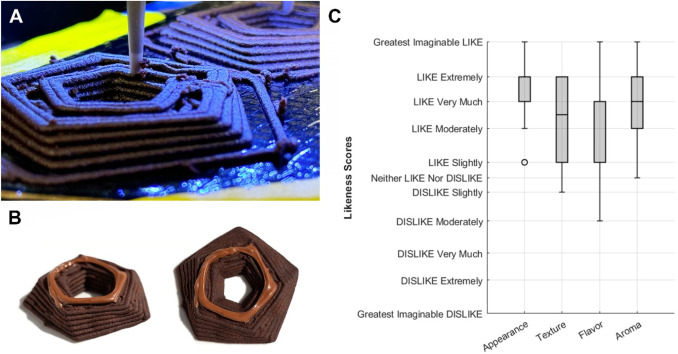
Familiarity made them more amenable to having 3D printed food. Upon tasting the food, comments were mixed, with one saying, “It kind of looked like it came out of a Hostess bag.” Which I am not sure is a positive or negative comment. Soldiers’ opinions were also mixed about the infill and layer lines. When told that nuggets are made via extrusion (described as 1D printing), the groups agreed that this was a good way to communicate the technology.
The researchers suggest that adding 3D printed food to basic training or having soldiers see how the items are made will boost acceptance. In fact, the team believes that,
“While novel geometries were preferred, designs that were too abstract or that lacked a recognizable reference point elicited negative reactions. Although 3DFP can create truly innovative ingredient combinations and avant-garde meal experiences, its success will depend on how well the added value is perceived and aligned with consumers’ cultural and social expectations. Similarly, a new naming convention for the technology should be considered for different user populations and applications. Ultimately, we don’t just “eat with our eyes”—we eat with our memories.”
This is also a very good point. Companies commercializing this technology really must consider how naming, presentation, and perception engulf these foods. As the article mentions, there is already major pushback and lobbying around 3D printed meat, which could muddy the waters. Groups, especially, can quickly form opinions about new technologies and products. Tabasco, cigarettes, and freeze-dried foods were spread from the military to the consumer market, with individual products such as Coca-Cola seeing global growth due to acceptance by soldiers overseas.
For combat soldiers, 3D printed food could be a very compact nutritional option. Specific nutritional needs could be addressed, medicines could be incorporated into foods, and practices like salt intake could be promoted. Bars can be made with many different textures and flavors. There could be more variation. perhaps. Specific nutritional requirements for long marches, desert, jungle, mountain, and assault conditions could be developed. The gin and tonic was invented to protect soldiers from malaria, while lime was added to help the same drink prevent scurvy. Perhaps today we will come up with slightly less boring fare for the military. But if we craft engaging, healthy military food that does more than today’s food can, military success could just be the beginning. The crossover potential to civilian markets is considerable and should encourage more people to invest more in the development of targeted 3D printed food for specific purposes.
🏷️ p3d_feed