Wool 3D Printing Filament from New Zealand (Of Course)
⚓ p3d 📅 2026-05-12 👤 surdeus 👁️ 3

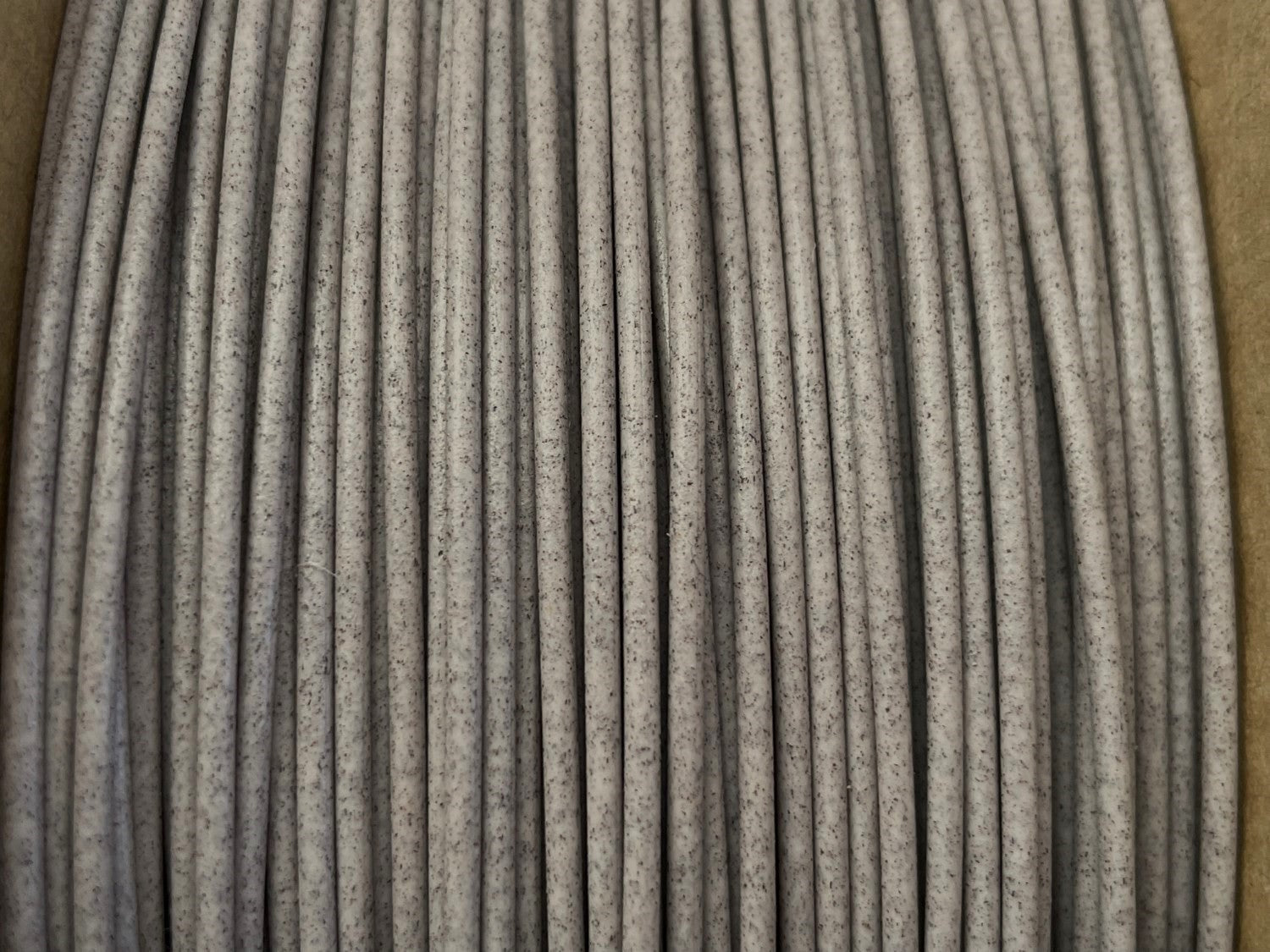
WoolyFil uses wool-based colorants to color filament. Companies Wool Source, which makes pigments from wool, partnered with filament firm KiwiFil to develop pigments with around 92% to 98% biobased content. In this case, the sustainability angle is important because pigments are often made from inorganic (mineral-based) and organic (carbon-based) compounds, while most modern-day pigments are mostly synthetic and originate from petrochemical or coal-tar processes. These synthetic pigments can pollute millions of liters of wastewater during production and dyeing, they can also contain toxic heavy metals, and are often non-biodegradable. Some can also release Polycyclic Aromatic Hydrocarbons (PAHs), which can damage aquatic ecosystems. Coal tar dyes are also linked to carcinogenic effects. Some of these substances are banned; more should be. Others are used in products such as makeup dyes.
Tom Hooper, chief executive of Wool Source, said,
“Wool Source’s patented technology takes strong wool fiber and transforms it into fine, coloured particles that can be mixed into other materials for applications like 3D printing, bioplastics, and screen-printing inks. Unlike other biobased options for textural effect or colour, our four-colour base system gives filament producers maximum colours mixing flexibility. The KiwiFil team was willing to have a play with it and give us some feedback — and we’re deligted they decided to launch a new range with our pigments as the hero.”
KiwiFil Director Eva Hakansson added,
“We loved the idea of using New Zealand wool and a biobased pigment in our recycled PLA filament but it needed to work for everyday 3D printing customers, as that’s our market. Our customers are loving the totally unique look and feel and the colours inspired by nature.”
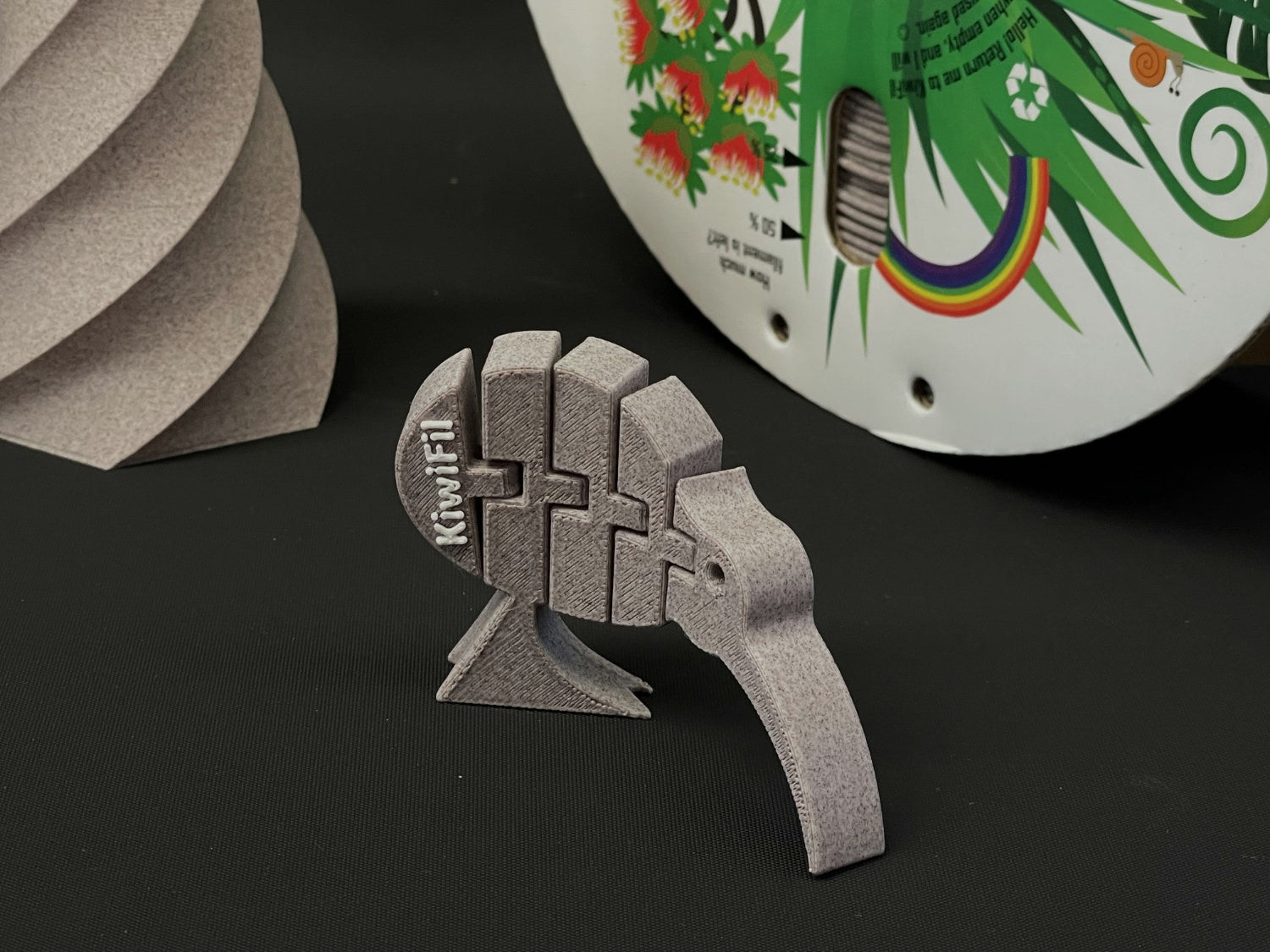
You can get WoolyFil in Green Marble and Riverstone, and the company hopes to release new colors. The filament is made out of rPLA. The 150µm particle-filled material has a surface texture that could be cool, but they also have a 10µm variant without this effect. Wool Source is also working on PLA, PCL, PBS, and PHA. PHA would be amazing because that combination won’t finally give us a truly sustainable material.
I think that this is a great development. We should have more awareness not only about VOC’s and other substances coming off of our print jobs, but also what goes into them as well. Pigments are a potentially worrying aspect in 3D printing, especially with low-quality, low-cost filament. Often, materials may be certified for industrial use but not for other uses, or it may be unclear exactly what is in these materials. Sometimes MSDS documents don’t disclose information about pigments or their effects that haven’t been sufficiently tested.
With Creality’s new inexpensive filament maker, we are about to be inundated by all sorts of coffee, tea, trash, rock, and other experimental filaments. A lot of people will experiment with various variants. Many will probably not perform very well. But generally, putting waste materials, such as coffee grounds, into filament could be a great idea. Home and local experimentation with filaments will also lead to a lot of innovation. We will also have lots of new low-cost filament options.
I remember my first spool of filament, ordered through a New Zealand company called Diamond Age. Diamond Age (which, in fact, still exists!) came up with PLA filament and was, I think, one of the first companies to sell filament for desktop 3D printers. It’s nice to see New Zealand innovating in filament once again and developing something more sustainable for the market. Let’s hope safer, more sustainable pigments catch on.
🏷️ p3d_feed